
Air conditioning units are available in a variety of sizes, but what size do you need for your home? We explain how to calculate the size and power of the unit to ensure you get the most from your investment.
Calculate the right size
Similar to how you would calculate the size of radiator in a room, you also need to use the British thermal unit (BTU) system to determine the size of the air conditioning unit. A BTU represents the amount of energy needed to heat one pound of water by one degree Fahrenheit.
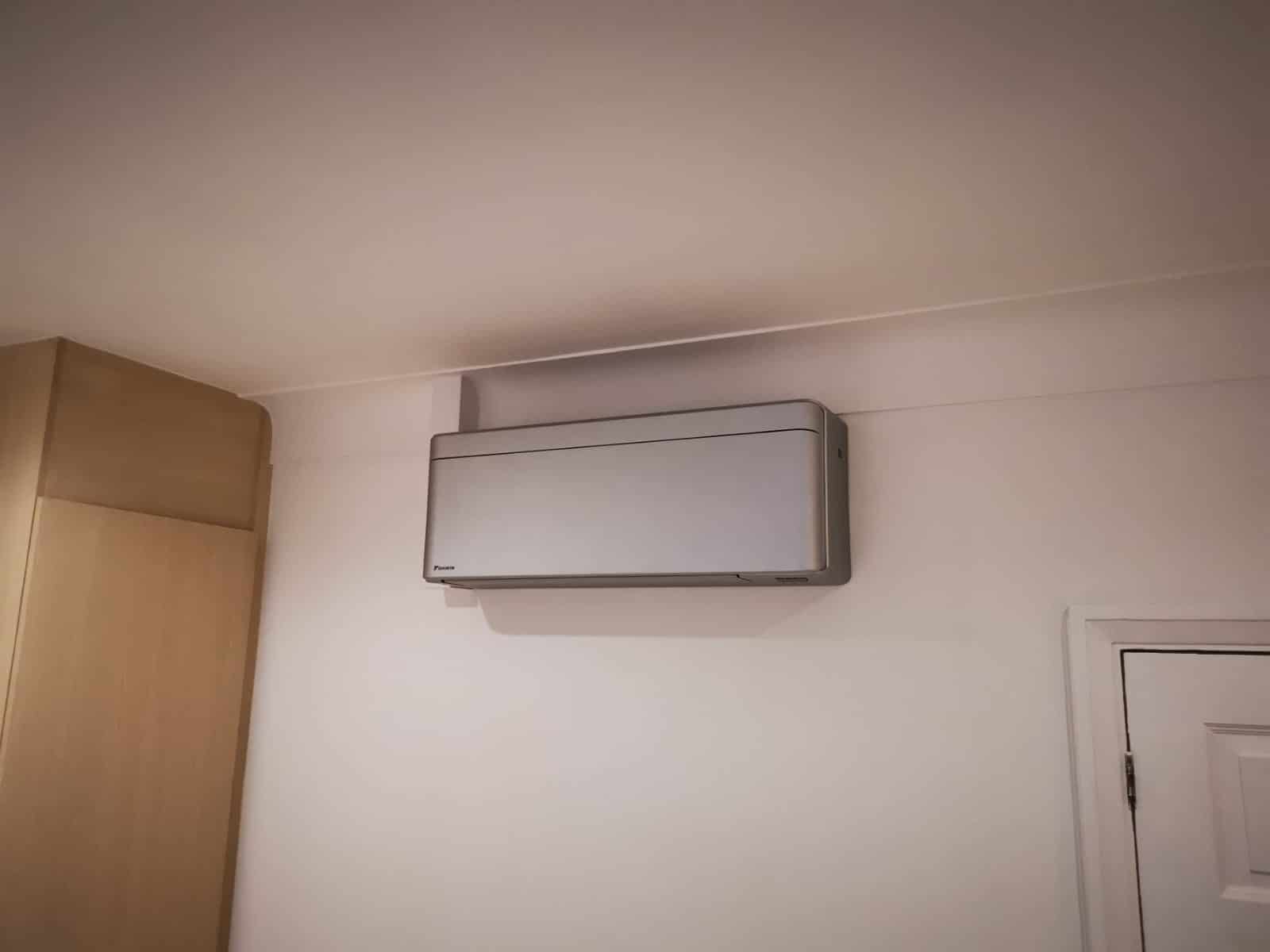
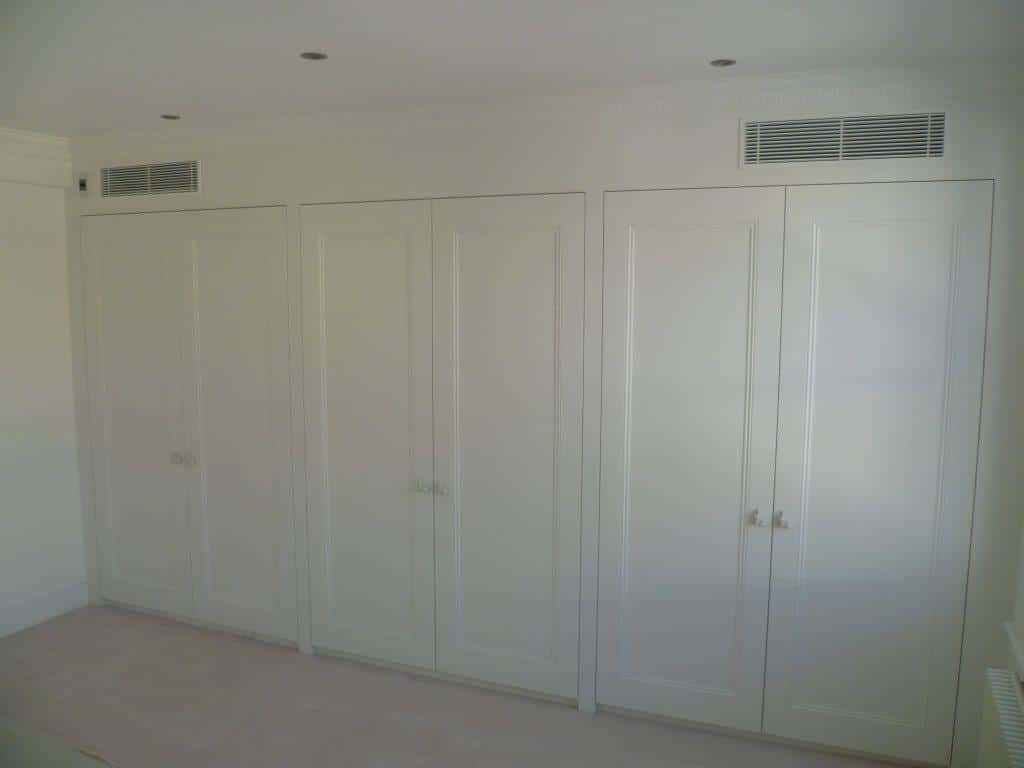

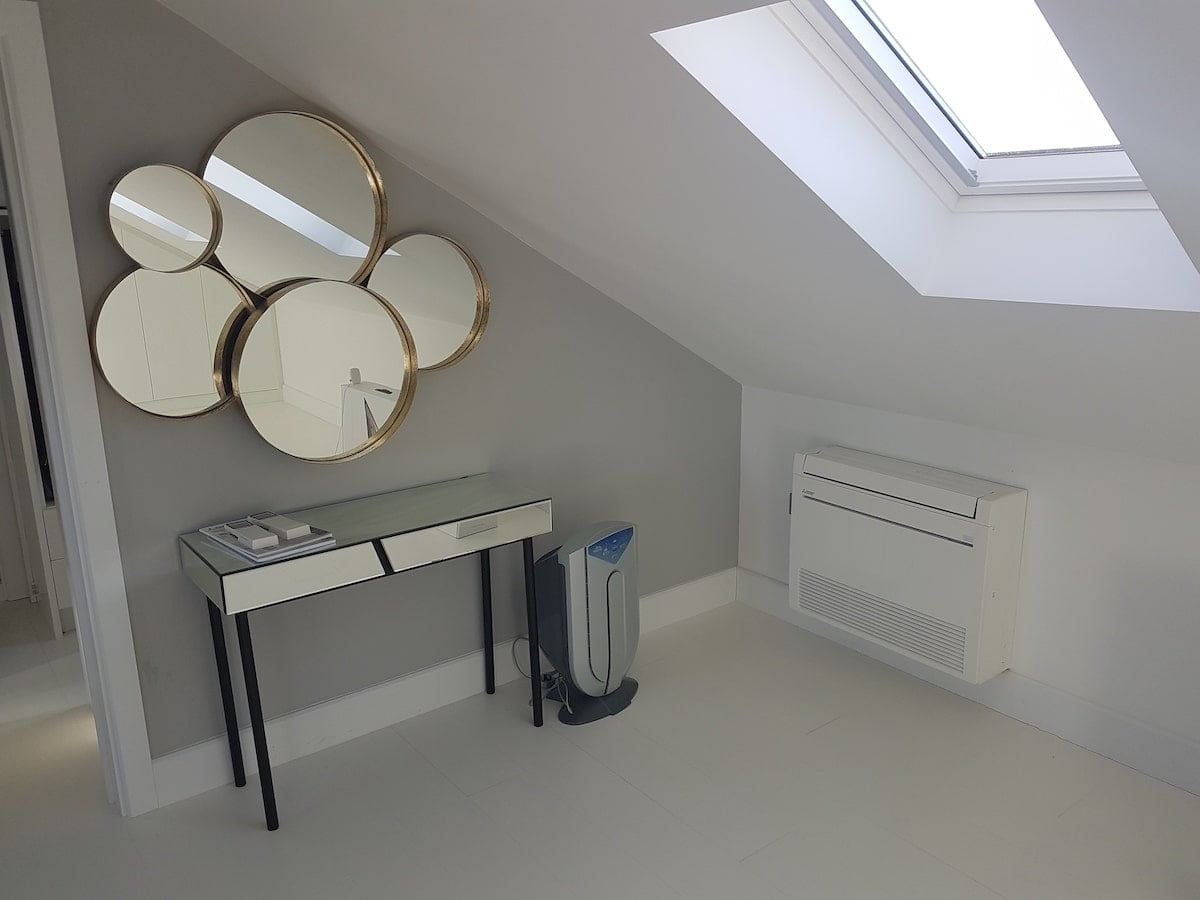
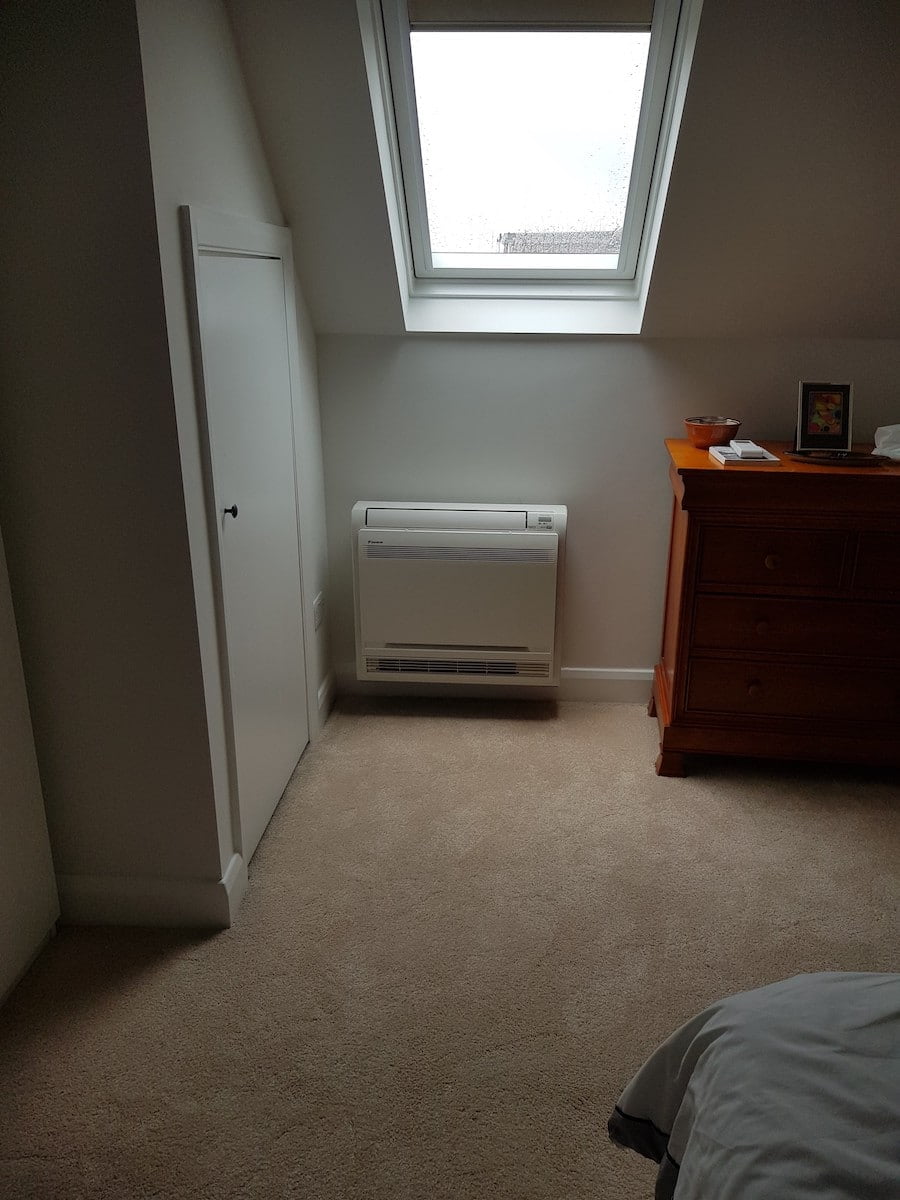
In general terms, most living rooms will require an air conditioning unit that produces between 5,000 to 8,000 BTUs. The first thing to do is to measure the height, width and length of the room in question. To get a more accurate calculation for your room you can use the following formula to get the right BTU level.
Find out more about how home air conditioning units work – click here
For example, if a room measures 16x11x9 feet: 16 x 11 x 9 x 5 = air conditioning unit that can produce a minimum of 7,920 BTUs.
If energy efficiency is a major concern look for air conditioning units that have a strong energy efficiency ratio (EER). This measures the ratio between the power input (in watts) and the BTU. The general rule is that the higher the EER rating the more efficient the system will be – although the long-term efficiency of any AC system will also depend on how well it is maintained and serviced.
Air conditioning units also fall into certain energy classes. Manufacturers must self-certify whether their unit is in the A to G energy class, although sometimes they might not be always be as accurate as advertised. This is why speaking with a professional installation company can make all the difference, as a site survey will ensure the recommended unit is suited to the exact needs of the space, which can also impact your servicing requirements further down the line.
What to look for when buying an air conditioning unit?
Other things to look out for when buying an air conditioning unit include:
- Fan speed: An air conditioning unit with at least three different speeds is ideal. Avoid fan-only modes as these do not cool the room, and you will likely need to replace the filters more frequently, costing you more money.
- Dehumidifier: Some units double up as dehumidifiers, although they may require connection to a hose to drain away the water which may not be ideal.
- Sleep mode: This will reduce the noise made by the air conditioning unit during the night by slowing down the compressor and fan. If you want complete silence at night, pre-cool the room before bedtime to make it more comfortable.
- Heating: You may be able to buy an air conditioning unit that has a heater mode, which is great for the winter and if you service the system during the summer, it minimises the risk of a breakdown occurring if you use it when the temperature starts to fall.
- Warranty: You should keep an eye out for the length of warranty offered by the manufacturer, what kind of breakdown coverage it provides and what you are required to do to keep it valid.
- Maintenance contract: Businesses and professional organisations may also want to consider the pros and cons of a maintenance contract, which can help you get more from the system throughout the year.
- Timer: Look for a unit with a 24-hour setting and clock, so you can set the on and off times that give you even more control and allow you to save money.
Get a free survey and quote
If you want to improve the air quality in your home and have greater control over the temperature, get in touch with AAC today to arrange a free quote and survey at a time that suits you. Email info@aacteam.co.uk or call 01707 32 55 66.

