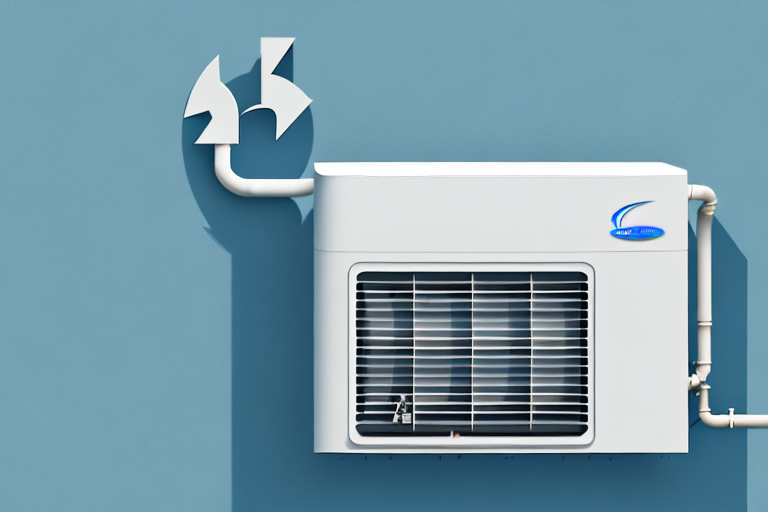
Are you tired of high energy bills and constantly having to adjust your thermostat? It may be time to consider installing a condensing air conditioner. These units offer a range of benefits that can improve your comfort, save you money, and reduce your carbon footprint. Let’s take a closer look at what condensing air conditioners are, how they work, and why they are a smart choice for your home.
Understanding Condensing Air Conditioners
A condensing air conditioner is a type of cooling system that uses advanced technology to maximize energy efficiency. Unlike traditional air conditioners, which release waste heat into the air outside your home, condensing units capture and repurpose that heat. This innovative process allows condensing air conditioners to cool your home effectively while using significantly less energy.
What is a Condensing Air Conditioner?
A condensing air conditioner is a central air conditioning system that cools your home by extracting heat from the indoor air and releasing it outside. However, what sets a condensing unit apart is its ability to capture the heat expelled during the cooling process and use it to warm your home’s water supply or other areas in need of heating. This dual-functionality makes condensing air conditioners highly efficient.
Condensing air conditioners are equipped with a heat exchanger that allows them to capture and repurpose the waste heat. This heat exchanger is designed to transfer the heat from the refrigerant to another medium, such as water or air. By utilizing this captured heat, condensing air conditioners can provide additional benefits beyond just cooling your home.
One of the common uses for the captured heat is to heat the water supply in your home. The heat exchanger transfers the heat to the water, raising its temperature and providing you with hot water for various household needs. This not only saves energy but also reduces your utility bills by eliminating the need for a separate water heater.
In addition to heating water, condensing air conditioners can also be connected to a radiant floor heating system. The captured heat is transferred to the water circulating through the pipes in your floor, providing efficient and comfortable heating for your home. This eliminates the need for separate heating systems, saving space and reducing energy consumption.
How Does a Condensing Air Conditioner Work?
The key to the impressive efficiency of a condensing air conditioner lies in its advanced refrigeration cycle. When the system is in cooling mode, it absorbs heat energy from your home’s indoor air and transfers it to the refrigerant circulating within the unit. The heated refrigerant is then compressed, which further raises its temperature. Next, the refrigerant enters the outdoor condenser unit, where it releases the captured heat into the surrounding air. Finally, the cooled refrigerant returns to the indoor evaporator coil, and the process restarts.
During the cooling process, the condensing air conditioner also dehumidifies the indoor air. As the warm air passes over the evaporator coil, the moisture in the air condenses on the coil’s surface, reducing the humidity levels in your home. This not only enhances comfort but also helps prevent the growth of mold and mildew.
Furthermore, condensing air conditioners often feature variable-speed compressors, which allow the system to adjust its cooling capacity based on the current cooling demands. This ensures that the system operates at optimal efficiency, providing precise temperature control while minimizing energy consumption.
Overall, condensing air conditioners offer a highly efficient and versatile cooling solution for your home. By capturing and repurposing waste heat, these systems not only cool your home effectively but also provide additional benefits such as heating water and powering radiant floor heating. With their advanced technology and energy-saving features, condensing air conditioners are an excellent choice for homeowners looking to maximize comfort and reduce energy costs.
Key Benefits of Condensing Air Conditioners
Now that we understand how condensing air conditioners work, let’s explore the benefits they offer homeowners.
Condensing air conditioners are not only efficient in cooling your home but also provide several additional advantages that make them a popular choice among homeowners.
Energy Efficiency and Cost Savings
One of the primary benefits of condensing air conditioners is their energy efficiency, which translates into significant cost savings for homeowners. These systems are designed to capture and repurpose heat, allowing them to consume less electricity compared to traditional air conditioners. By reducing energy consumption, condensing air conditioners can help lower your monthly utility bills, providing long-term savings. In addition to cost savings, many regions offer rebates or incentives for installing energy-efficient cooling systems, making condensing air conditioners an even more attractive option.
Improved Indoor Air Quality
Condensing air conditioners come equipped with built-in filtration systems that play a crucial role in improving indoor air quality. These filters are designed to remove dust, pollen, and other airborne particles, ensuring that the air circulating throughout your home is clean and healthy. This feature is particularly beneficial for individuals with allergies or respiratory conditions, as it helps reduce the presence of allergens and irritants in the air. With a condensing air conditioner, you can enjoy a comfortable living space while breathing in fresh, purified air.
Reduced Carbon Footprint
Choosing a condensing air conditioner not only benefits your home but also the environment. By reducing your reliance on fossil fuels for cooling and heating, condensing air conditioners help lower your carbon footprint. These systems utilize advanced technology to maximize energy efficiency, resulting in reduced greenhouse gas emissions. By opting for a more sustainable cooling solution, you can make a positive impact on the planet and contribute to a greener future for generations to come.
By considering the energy efficiency, improved indoor air quality, and reduced carbon footprint offered by condensing air conditioners, homeowners can make an informed decision when it comes to selecting the right cooling system for their homes. With the added benefits of cost savings and potential rebates, condensing air conditioners prove to be an excellent investment for both comfort and sustainability.
Choosing the Right Condensing Air Conditioner
When it comes to selecting a condensing air conditioner for your home, there are several factors to consider in order to ensure you make the right choice. Making an informed decision will not only provide you with optimal cooling but also save you money in the long run.
Factors to Consider
One of the main factors to consider is the size of your home. It’s crucial to choose an appropriately sized unit to ensure optimal cooling efficiency. An undersized unit will struggle to cool your space, while an oversized unit will cycle on and off frequently, leading to unnecessary wear and tear on the system. Consulting with a professional HVAC technician can help you accurately determine the appropriate size for your home.
Energy efficiency is another important consideration. Look for a condensing air conditioner with a high Seasonal Energy Efficiency Ratio (SEER) rating. A higher SEER rating indicates greater energy efficiency, which can translate into significant savings on your utility bills. Additionally, an energy-efficient unit is better for the environment, reducing your carbon footprint.
Noise levels should also be taken into account. Some air conditioners can be quite noisy, which can be a nuisance, especially if you have bedrooms or living areas close to the outdoor unit. Look for units with noise-reducing features or consider installing the outdoor unit in a less intrusive location.
Warranty coverage is another factor to consider. A condensing air conditioner is a significant investment, and you want to ensure it is protected. Look for units that come with a comprehensive warranty that covers both parts and labor. This will provide you with peace of mind knowing that any potential issues will be addressed without incurring additional costs.
Lastly, consulting with a professional HVAC technician is highly recommended. They have the knowledge and expertise to guide you through the decision-making process. They can assess your specific needs, evaluate your home’s layout, and recommend the best condensing air conditioner that fits your requirements and budget.
Understanding Different Models
There is a wide range of condensing air conditioner models available on the market, each with its own unique features and specifications. It’s important to research and understand the different models to make an informed decision.
Some models may offer additional functionalities that align with your preferences. For example, certain units may have built-in smart technology that allows you to control and monitor your air conditioner remotely through a smartphone app. This can be particularly convenient if you want to adjust the temperature while you’re away from home or if you prefer a more automated cooling experience.
Advanced technologies are also worth considering. Some condensing air conditioner models incorporate innovative features such as variable-speed compressors, which allow the unit to adjust its cooling output based on the current conditions. This can result in more precise temperature control, improved energy efficiency, and enhanced comfort.
Additionally, different models may have varying installation requirements. Some units may require specific electrical or ductwork modifications, while others may offer more flexibility in terms of installation options. Understanding these specifications will help you determine which model is the most suitable for your home and existing infrastructure.
In conclusion, choosing the right condensing air conditioner involves considering factors such as the size of your home, energy efficiency, noise levels, warranty coverage, and understanding the different models available. By taking the time to research and consult with professionals, you can make an informed decision that will provide you with optimal cooling comfort and energy savings for years to come.
Installation Process of a Condensing Air Conditioner
Installing a condensing air conditioner requires careful planning and execution. Here’s a general overview of the installation process:
Pre-Installation Considerations
Prior to installation, a qualified HVAC technician will assess your home’s cooling needs, determine the appropriate unit size, and inspect the existing ductwork. They will also ensure that your electrical system can handle the increased load of the new air conditioner. Proper preparation ensures a smooth installation process and optimal performance of your new system.
Step-by-Step Installation Guide
During the installation, the technician will secure the outdoor condenser unit in a suitable location, typically near an exterior wall. They will connect the condenser to the indoor unit through refrigerant lines and install the necessary electrical wiring. Finally, the technician will test the system to ensure that it is functioning correctly and provide you with any necessary instructions for operating your new condensing air conditioner.
Maintenance and Care for Your Condensing Air Conditioner
Maintaining your condensing air conditioner is essential to keep it running smoothly and efficiently. Here are some routine maintenance tips:
Routine Maintenance Tips
Regularly clean or replace the air filters to ensure optimal airflow and prevent dust buildup. Keep the outdoor condenser unit free from debris or obstructions to allow proper heat dissipation. Schedule annual professional maintenance visits to inspect and tune up your system for maximum performance and longevity.
Troubleshooting Common Issues
If you encounter any problems with your condensing air conditioner, such as inadequate cooling or unusual noises, it is best to contact a professional HVAC technician. They will be able to diagnose and resolve the issue, ensuring that your system continues to operate at its peak efficiency.
In conclusion, installing a condensing air conditioner offers numerous benefits, including improved energy efficiency, cost savings, enhanced indoor air quality, and a reduced carbon footprint. By considering the factors involved in selecting the right unit, following the proper installation process, and performing routine maintenance, you can enjoy the comfort and advantages provided by your condensing air conditioner for years to come.

