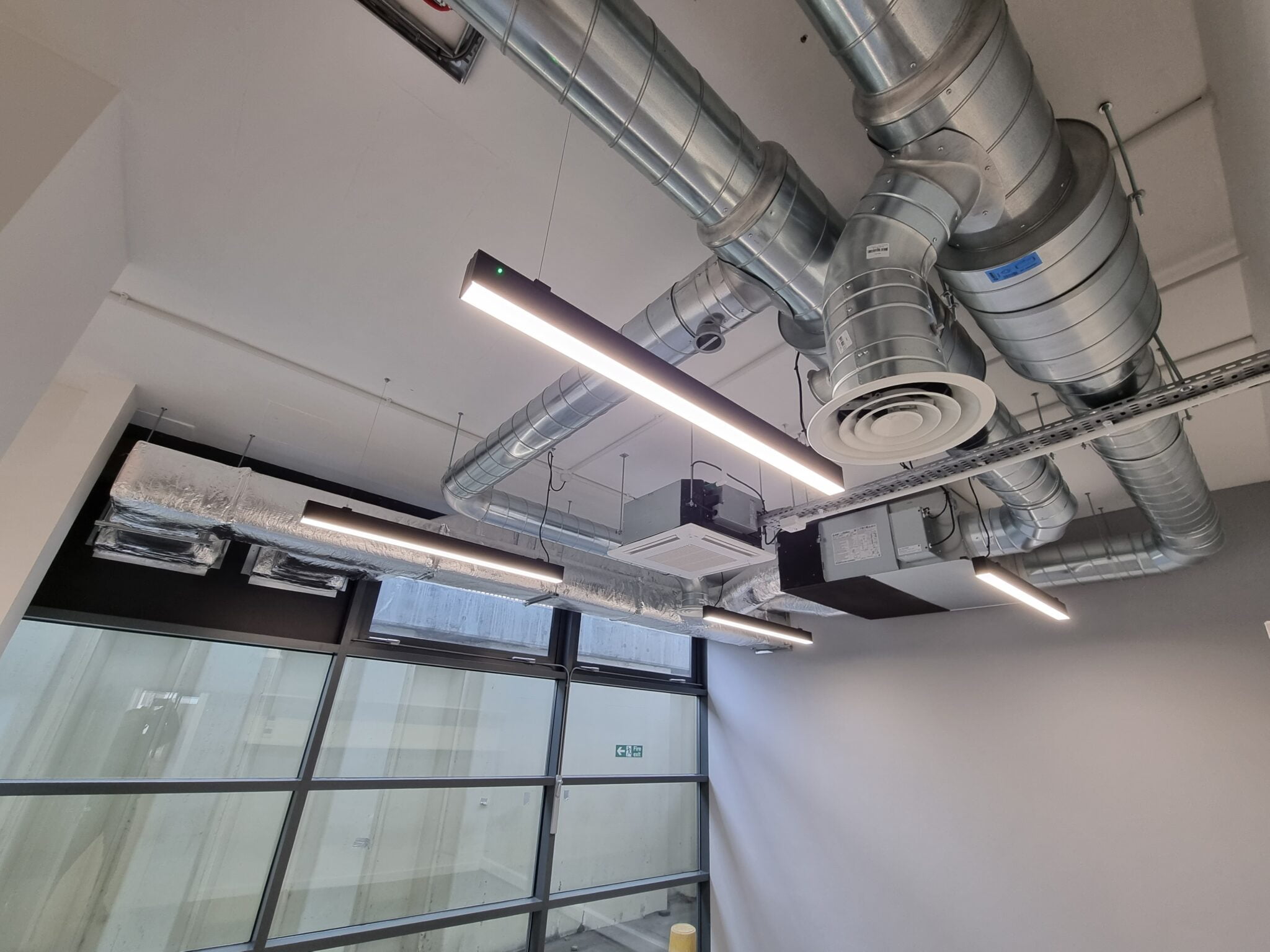
Central air conditioning systems have become increasingly popular in modern homes, offering a comprehensive solution for cooling and sometimes heating an entire property. At AAC, with over 25 years of experience in the air conditioning industry, we’ve installed a wide variety of units, including top-rated models from Daikin, Fujitsu, and Panasonic. Our expertise enables us to provide homeowners with valuable insights into the benefits and drawbacks of installing central air conditioning in their homes. This blog post aims to explore the pros and cons of central air conditioning, helping you make an informed decision about whether it’s the right choice for your home.
Pros of Central Air Conditioning
1. Uniform Cooling
One of the most significant advantages of central air conditioning is its ability to cool your home uniformly and efficiently. Unlike individual room units, central air systems distribute cooled air evenly throughout the house, eliminating hot spots and ensuring a comfortable living environment in every room.
2. Improved Air Quality
Central air conditioning systems are equipped with filters that purify the air as it circulates, removing dust, allergens, and other pollutants. This feature is particularly beneficial for individuals with allergies or respiratory conditions, as it helps maintain a healthier indoor air quality.
3. Convenience and Comfort
With central air conditioning, controlling the temperature of your entire home becomes effortless. Modern systems can be programmed to adjust temperatures automatically or controlled remotely, allowing you to enjoy a consistently comfortable environment without the need to manually adjust settings on multiple units.
4. Aesthetic Appeal
Unlike window units or portable air conditioners, central air systems are almost invisible, with the compressor unit located outside the home and air ducts hidden within walls. This setup preserves the aesthetic appeal of your home’s interior and exterior, without the inconvenience of bulky units taking up window space.
5. Increased Property Value
Installing a central air conditioning system can significantly increase the value of your home. It’s a sought-after feature for many homebuyers, making it a wise investment if you plan to sell your property in the future.
Cons of Central Air Conditioning
1. High Initial Installation Cost
The cost of installing a central air conditioning system can be considerably higher than other cooling options. This includes the expense of the unit itself, as well as the installation of ductwork if your home does not already have it. For some homeowners, this initial investment can be a deterrent.
2. Maintenance Requirements
Central air systems require regular maintenance to operate efficiently, including professional servicing and filter changes. Neglecting maintenance can lead to decreased efficiency, higher utility bills, and costly repairs.
3. Energy Consumption
While modern central air conditioning systems are designed to be more energy-efficient than older models, they still consume more energy than individual room units, especially if you’re cooling an entire house when only using a few rooms.
4. Installation Disruption
Installing a central air conditioning system, particularly in a home without existing ductwork, can be disruptive. The process may involve significant modifications to your home’s structure to accommodate the ducts and central unit.
5. Requires Sufficient Space
Central air conditioning systems require space for the installation of the outdoor compressor unit and the indoor distribution ductwork. Homes with limited outdoor space or those that cannot easily accommodate ductwork may find this challenging.
Frequently Asked Questions
1. How much does it cost to install central air conditioning?
The cost of installing central air conditioning varies widely based on the size of your home, the type of system you choose, and whether ductwork needs to be installed or replaced. It’s best to obtain a custom quote from a professional installer for an accurate estimate.
2. Can I install central air conditioning if my home doesn’t have ductwork?
Yes, it’s possible to install central air conditioning in homes without existing ductwork, but it will require additional installation work and costs to add the necessary ducts and vents.
3. How can I reduce the energy costs of running central air conditioning?
To reduce energy costs, ensure your system is regularly maintained, install a programmable thermostat, and consider zoning systems to cool only the areas of your home that are in use.
4. How often does central air conditioning need to be serviced?
We recommend having your central air conditioning system professionally serviced at least once a year to ensure it operates efficiently and to prevent potential issues.
5. Will central air conditioning cool my home faster than individual units?
Central air conditioning is designed to cool your entire home evenly and can do so quickly depending on the system’s capacity and the size of your home. However, the speed of cooling also depends on external factors like outside temperature and home insulation.
6. Can central air conditioning improve the resale value of my home?
Yes, installing central air conditioning can increase your home’s appeal to potential buyers and may contribute to a higher resale value, especially in regions where air conditioning is considered a necessity.
Conclusion
Central air conditioning offers a blend of comfort, convenience, and improved air quality but comes with considerations of cost, energy consumption, and installation requirements. Whether the pros outweigh the cons depends on your specific needs, budget, and the characteristics of your home. At AAC, we’re committed to helping you navigate these considerations, offering expert advice and top-quality installations of the industry’s best central air conditioning systems.

